

Does God Still Do Miracles Today?
Short answer: yes. Nothing in the Bible says miracles stopped when the apostles died. The same Holy Spirit who worked through the early church is still at work, and God still heals, delivers, restores and saves in ways no one can explain. Miracles aren't on demand and they aren't the point by themselves, but they are for today.
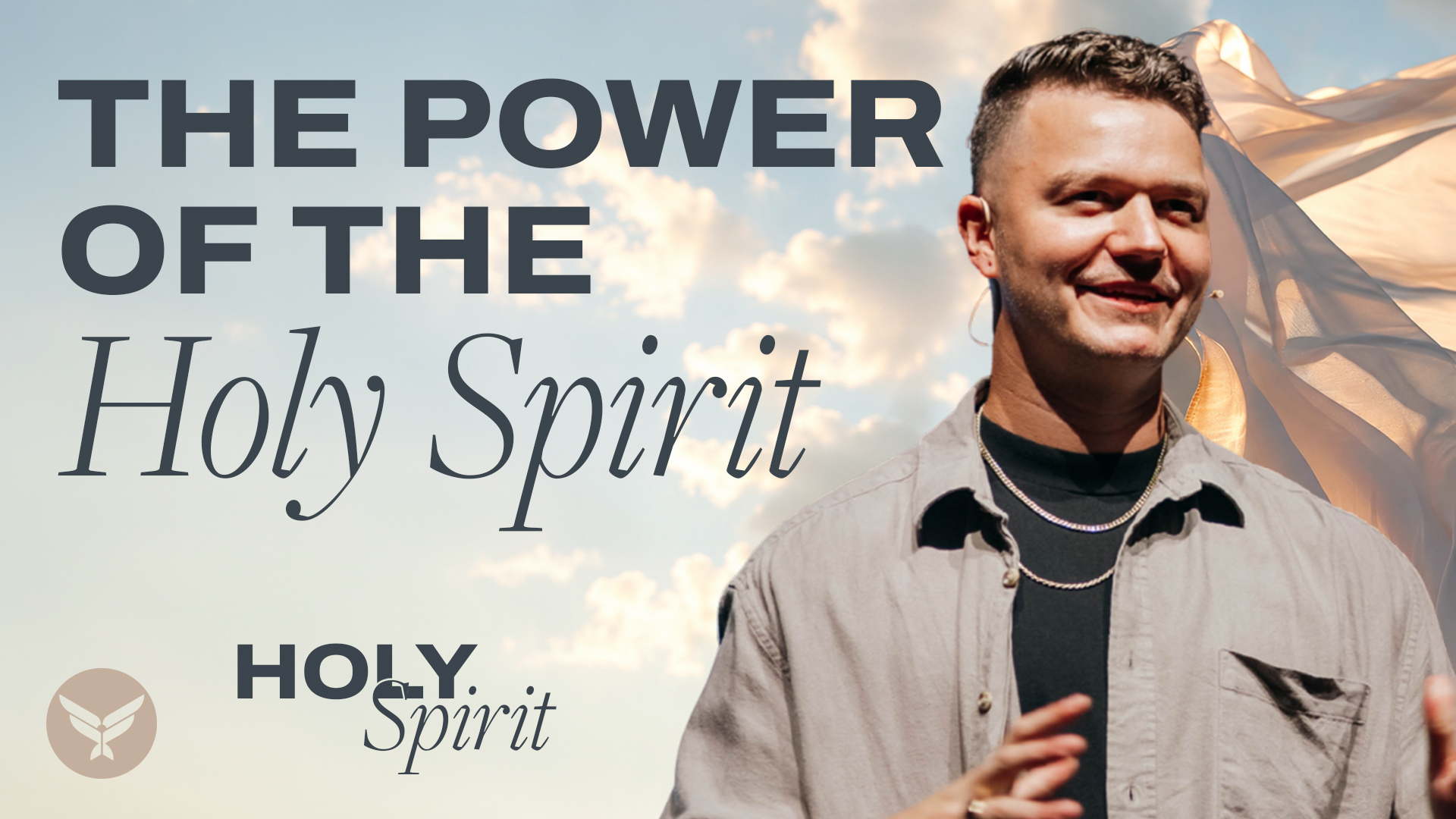
Brad Straarup took this on in his message The Power of the Holy Spirit, and he didn't hedge: the God of the book of Acts is still healing, leading and doing what only He can do.
Why do some Christians believe miracles stopped?
Plenty of sincere believers were taught that miracles ended with the apostles. The idea (often called cessationism) usually rests on a few arguments: miracles were needed to confirm the gospel before the New Testament was written, the apostles were a one-time foundation, and 1 Corinthians 13:8-10 says gifts will cease "when completeness comes."
Those arguments deserve a fair hearing, but they don't hold up well against Scripture. Paul's "completeness" in 1 Corinthians 13 is the day we see God "face to face" (1 Corinthians 13:12). That hasn't happened yet. Until then, Paul says, we "know in part and we prophesy in part" (1 Corinthians 13:9), which means the gifts are still running.
The New Testament never sets an expiration date on the Spirit's power. When Peter explained what happened at Pentecost, he quoted Joel: "In the last days, God says, I will pour out my Spirit on all people" (Acts 2:17). The last days began then and haven't ended. And Peter said the promise was "for you and your children and for all who are far off" (Acts 2:39). That includes us.
What does the Bible say about miracles after Jesus?
Jesus expected His followers to keep doing His works: "Very truly I tell you, whoever believes in me will do the works I have been doing, and they will do even greater things than these, because I am going to the Father" (John 14:12).
The book of Acts shows exactly that. Ordinary people, filled with the Spirit, saw the sick healed, the lame walk and whole cities turn to God. Paul lists "miraculous powers" and "gifts of healing" among the gifts the Spirit gives to the church for the common good (1 Corinthians 12:7-10), with no hint that they were temporary. And Hebrews says God testified to the gospel "by signs, wonders and various miracles, and by gifts of the Holy Spirit distributed according to his will" (Hebrews 2:4).
Paul even described his own ministry this way: "My message and my preaching were not with wise and persuasive words, but with a demonstration of the Spirit's power" (1 Corinthians 2:4). He was a brilliant thinker, and he still didn't rely on argument alone.
Isn't faith supposed to be about the mind, not experiences?
Faith is never less than thinking. Christians should love God with all their mind (Matthew 22:37). But God is bigger than our arguments, and sometimes we come to know Him not because of intelligence but because of experience.
Brad has seen people healed, people get up out of wheelchairs and marriages restored. To anyone who insists God doesn't do that anymore, he has a fair question: "So who raised them out of the wheelchair? Satan?"
Arguments have their place, but "a person with an experience will never be at the mercy of a person with an argument." The man born blind in John 9 couldn't win a theological debate with the Pharisees. He didn't have to. "One thing I do know. I was blind but now I see!" (John 9:25).
Why doesn't God do a miracle every time we ask?
This is the honest question underneath a lot of doubt. If God still does miracles, why didn't He do one for me?
Scripture doesn't hide this tension. Paul, who saw remarkable miracles, left his friend Trophimus sick in Miletus (2 Timothy 4:20). He asked God three times to remove his own "thorn in the flesh," and God said no, giving him grace instead (2 Corinthians 12:7-9). Miracles are real, but they come "according to his will" (Hebrews 2:4), not on our schedule.
That means two things can be true at once. You can pray with real faith and expectancy, and you can trust God when the answer isn't what you hoped. Neither one makes you a lesser Christian. And asking God for a miracle never means refusing doctors, counselors or treatment. God works through medicine too.
What are miracles for?
Miracles aren't the destination. They point somewhere. John says he wrote down Jesus' signs "that you may believe that Jesus is the Messiah, the Son of God, and that by believing you may have life in his name" (John 20:31). The Spirit's power comes so we can be Jesus' witnesses (Acts 1:8).
That's also why the greatest miracle is still a changed life. When someone who was far from God is forgiven, set free and made new (2 Corinthians 5:17), heaven is at work. Spirit Church has seen it again and again in its short life, with people baptized and stories written down of the day they said yes to Jesus.
Miracles can also be faked or misused. Jesus warned that some will claim to have done miracles in His name whom He never knew (Matthew 7:22-23). So test what you see by Scripture, by the character of the people involved and by whether it points to Jesus.
Frequently asked questions
Does the Bible say miracles would stop?
No verse says that. The passage often used, 1 Corinthians 13:8-10, points to the day we see God face to face, which is still ahead of us.
Are healing and miracles the same thing?
Healing is one kind of miracle. Paul lists "gifts of healing" and "miraculous powers" separately (1 Corinthians 12:9-10), so God's miraculous work is wider than physical healing, including protection, provision, deliverance and restored relationships.
Should I ask God for a miracle?
Yes. "You do not have because you do not ask God" (James 4:2). Ask boldly, keep following Jesus whatever the answer, and invite others to pray with you.
How do I know if something was really from God?
Real works of the Spirit glorify Jesus (John 16:14), line up with Scripture and lead to good fruit. If it draws attention to a person instead of to Christ, be cautious.
Spirit-filled and Spirit-led
The God of the Bible hasn't retired. He still moves, and He still uses ordinary people to do things they could never do on their own. You don't need to chase the spectacular. Stay close to Jesus, ask boldly, and let Him surprise you.
For more on the Spirit's power, listen to Brad Straarup's message, The Power of the Holy Spirit, where this post began. It explains Pentecost and why the Spirit came.
If you'd like to experience a church that expects God to move, plan your visit this Sunday.
Keep reading: Does God Give You More Than You Can Handle?
You don't have to take it alone.
Come this Sunday, or find a group of people walking through the same season. Either way, we'd love to know you.