

What Is the Baptism in the Holy Spirit?
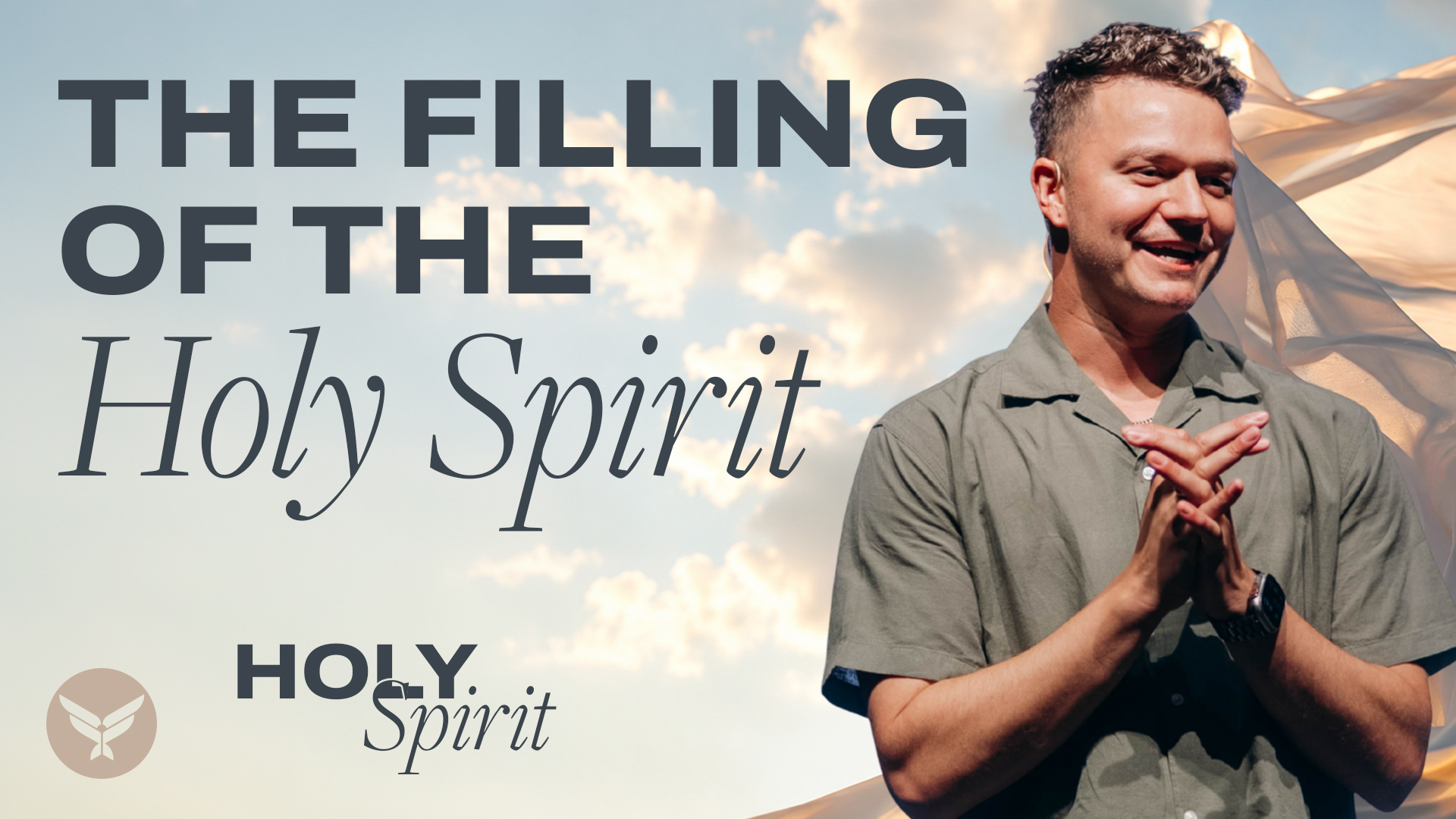
The baptism in the Holy Spirit is the Holy Spirit coming upon a believer, immersing them in His presence and clothing them with power to live and witness for Jesus (Acts 1:8). It's related to, but different from, the Spirit coming to live in you when you're saved. In Scripture it sometimes happens at conversion and sometimes after, so instead of arguing about the timing, ask God for it.
Brad Straarup tackled this in his message The Filling of the Holy Spirit, and his take is refreshingly simple: stop fighting about the timeline and ask for it. That's the right instinct, and Scripture backs it up.
Isn't every Christian already given the Holy Spirit?
Yes. When you believe in Jesus, the Holy Spirit comes to live in you. "If anyone does not have the Spirit of Christ, they do not belong to Christ" (Romans 8:9). Every believer has Him. That's often called the indwelling of the Spirit.
But the Bible uses more than one way of describing the Spirit's work, and it helps to keep three words straight: the indwelling, the baptism and the filling. These are three words, not three separate experiences, and each describes something real:
- The indwelling is the Spirit coming in you at salvation.
- The baptism is the Spirit coming upon you, surrounding you with power.
- The filling is the Spirit taking more and more of you, again and again (Ephesians 5:18).
Or, in one memorable summary: "The indwelling of the Holy Spirit brings His presence. The baptism in the Spirit brings His power. But the filling of His Spirit brings direction and control."
Where does the Bible talk about the baptism in the Spirit?
It starts with John the Baptist: "I baptize you with water for repentance. But after me comes one who is more powerful than I... He will baptize you with the Holy Spirit and fire" (Matthew 3:11). All four Gospels record that promise (Mark 1:8, Luke 3:16, John 1:33).
Notice what happens with the disciples. On the evening of the resurrection, Jesus "breathed on them and said, 'Receive the Holy Spirit'" (John 20:22). Yet He also told them, "stay in the city until you have been clothed with power from on high" (Luke 24:49). Just before His ascension He said it again: "For John baptized with water, but in a few days you will be baptized with the Holy Spirit" (Acts 1:5). They had received the Spirit, and something more was still coming. It came at Pentecost (Acts 2:1-4).
What does "baptized" in the Spirit mean?
The Greek word is baptizō, which means to submerge or to be made fully wet. Around 200 BC a Greek writer named Nicander used it in a pickle recipe. First the vegetable is dipped (baptō) in boiling water. Then it is baptized (baptizō) in the brine long enough to be changed completely. A cucumber goes in, and a pickle comes out. That's Spirit baptism: everything about you changes.
It's also worth noticing the preposition. You are baptized in the Spirit, not just by Him. He is the element. Jesus is the one who baptizes, and the Holy Spirit is the One you're immersed in.
Why do we need the baptism in the Spirit?
Because the mission is bigger than we are. "But you will receive power when the Holy Spirit comes on you; and you will be my witnesses in Jerusalem, and in all Judea and Samaria, and to the ends of the earth" (Acts 1:8). The power isn't for a spiritual high. It's for an assignment.
God said it through Zechariah long before Pentecost: "'Not by might nor by power, but by my Spirit,' says the Lord Almighty" (Zechariah 4:6). You can try to white-knuckle the Christian life in your own strength, or you can be clothed with His.
When does the baptism in the Holy Spirit happen?
This is where Christians tend to argue. Hardly anyone debates that it happens; the debate is about when. Look at Acts and you'll find both:
- After conversion. The disciples received the Spirit in John 20 and were baptized in the Spirit at Pentecost. The believers in Samaria had accepted the word of God and been baptized in water, but the Spirit hadn't yet come on them until Peter and John prayed for them (Acts 8:14-17). Paul asked a group of disciples in Ephesus, "Did you receive the Holy Spirit when you believed?" (Acts 19:2), and the Spirit came on them when he laid hands on them.
- At conversion. While Peter was still preaching to Cornelius and his household, "the Holy Spirit came on all who heard the message" (Acts 10:44).
So does it happen at conversion or after? Yes. Leave room in your theology for both, because in the Bible it happens both ways. Rather than fighting about the timeline, come to Jesus like a child and pray something like this: "If it happened at salvation, thank You for baptizing me in the Spirit. If it happens later, please baptize me in the Spirit. I want it."
How do I receive the baptism in the Holy Spirit?
The Holy Spirit is received, not achieved. You can't earn this or work yourself up to it. You can only position yourself to receive it. A few ways to do that:
- Ask. Jesus promised, "how much more will your Father in heaven give the Holy Spirit to those who ask him!" (Luke 11:13).
- Believe it's for you. On Pentecost Peter said, "The promise is for you and your children and for all who are far off" (Acts 2:39). That includes you.
- Make room. Many of us are already full of something else: worry, shame, resentment. It's not a top-up. It's a trade. Give God what you've been carrying.
Frequently asked questions
Is Spirit baptism the same as water baptism?
No. Water baptism is your public declaration that you belong to Jesus. Spirit baptism is Jesus immersing you in the Holy Spirit. If you haven't been baptized in water yet, take a look at our next baptism.
Does the baptism in the Spirit happen more than once?
The indwelling and the baptism are pictured as happening once. The filling of the Spirit happens again and again (Acts 4:31, Ephesians 5:18).
Do I have to speak in tongues to be baptized in the Spirit?
No. Sometimes people spoke in tongues when the Spirit came on them (Acts 2:4, Acts 10:46), and sometimes no tongues are mentioned. A prayer language is a gift to receive, not a test you have to pass.
Ask for it
You don't need to settle every theological debate to receive what God has promised. You need to want it and ask for it. Holy Spirit, come upon us. We want everything You have for us.
This post comes from Brad Straarup's message, The Filling of the Holy Spirit, from our series on the Holy Spirit.
If you'd like someone to pray with you, plan a visit and come ready to receive.
You don't have to take it alone.
Come this Sunday, or find a group of people walking through the same season. Either way, we'd love to know you.